
Mondei Festival
Mondei Festival of Odisha falls in December and it is a very popular festival celebrated in the Nabarangpur District of […]
Mondei Festival of Odisha falls in December and it is a very popular festival celebrated in the Nabarangpur District of Odisha
An In-Depth Guide to the Cultural Heritage of Nabarangpur
The Mondei Festival, often referred to as Mondee, is a premier cultural event in the Nabarangpur district of Odisha. Held annually, this three-day carnival serves as a vital platform for the preservation and promotion of the indigenous traditions, folk arts, and agricultural rituals of South Odisha’s tribal communities. The festival is traditionally observed in November, marking the conclusion of the harvesting season, and is orchestrated by the District Council of Culture.
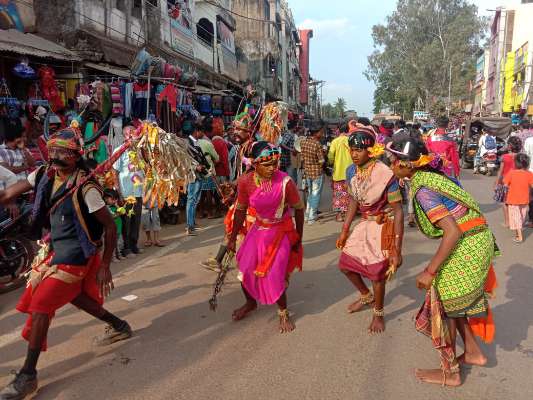
Unlike commercial festivals, Mondei remains a deeply grassroots celebration. It is a time when the tribal heartland of India converges to express gratitude for a bountiful harvest, seek divine blessings for future prosperity, and showcase a cultural identity that has remained largely unchanged for centuries.
Historical and Religious Significance
The festival is deeply intertwined with the worship of local presiding deities, most notably Maa Bhandarghurani. The term Mondei is derived from the Hindi/Odiya word Mandi, which signifies a marketplace. Historically, these gatherings served a dual purpose: they were religious congregations for worship and economic hubs where tribal farmers could trade their newly harvested grains and forest produce.
The festivities begin with a solemn ritual at the temple of Maa Bhandarghurani. The Aagyan Mala, or the sacred garland of the deity, is carried in a massive procession to the festival venue, known as Mondei Maidan. This ritual signifies the divine presence presiding over the celebrations and is accompanied by the rhythmic sounds of traditional wind instruments like the Mahuri and percussion such as the Tasa.
Principal Attractions and Cultural Programs
Tribal Performing Arts
Mondei is the most significant stage for the folk dances of the region. The Dhemsa dance is the primary highlight, characterized by hundreds of tribal women moving in synchronized patterns to the beat of drums. Beyond local performances, the festival often hosts folk troupes from other states, facilitating a national-level cultural exchange that enriches the local artistic landscape.
Pallishree Mela and Exhibition
A major component of the festival is the Pallishree Mela, an extensive exhibition and trade fair. This market allows indigenous artisans to sell their work directly to visitors. Key items found here include:
-
Dokra Metal Art: Ancient lost-wax casting technique used to create intricate brass figurines.
-
Terracotta and Pottery: Traditional earthen kitchenware and decorative items.
-
Forest Produce: High-quality, organic products such as wild honey, turmeric, and various medicinal herbs collected from the surrounding forests.
Traditional Sports
In keeping with tribal traditions, the festival also hosts various indigenous sports. Wrestling matches, archery competitions, and local athletics are organized to encourage the youth and maintain the physical culture of the tribal villages.
2026 Event Snapshot
| Feature | Details |
| Location | Nabarangpur District, Odisha |
| Primary Venue | District Stadium (Mondei Maidan) |
| Timing | Early to mid-November 2026 |
| Central Focus | Harvest Thanksgiving and Tribal Art |
| Organizers | District Administration of Nabarangpur |
Strategic Travel Logistics
Reaching Nabarangpur
Nabarangpur is situated in the southwestern part of Odisha, making it a scenic but remote destination.
-
By Air: The most convenient airport is Visakhapatnam (VTZ) in Andhra Pradesh, located about 280 kilometers away. From there, one can hire a taxi or use the interstate bus service.
-
By Rail: Jeypore (40 km) and Jagdalpur (80 km) are the nearest railway stations. These stations connect to the Visakhapatnam-Kirandul line, which is famous for its picturesque mountain views.
-
By Road: National Highway 26 connects Nabarangpur to major cities like Raipur, Bhubaneswar, and Visakhapatnam.
Accommodation and Stay
Because Nabarangpur is a smaller district headquarters, accommodation options within the town are modest, consisting mostly of budget hotels and government circuit houses. Many travelers choose to stay in the nearby city of Jeypore, which offers more diverse lodging facilities, and commute to the festival grounds.
Expert Recommendations for Visitors
To fully appreciate the Mondei Festival, visitors should keep the following points in mind:
-
The Ritual Procession: The inaugural day offers the best opportunity for cultural photography, as the streets are filled with traditional insignias and people in ethnic attire.
-
Climate: November marks the onset of winter in the Odisha highlands. While days are pleasant and sunny, nighttime temperatures can drop significantly, requiring warm clothing.
-
Ethical Tourism: When visiting tribal stalls or villages, it is essential to respect the privacy of the community. Always seek permission before taking portraits and avoid using flash during religious ceremonies.
-
Regional Sightseeing: Visitors can extend their stay to explore nearby natural attractions such as the Chandan Dhara waterfall and the Kelia Shiva Temple.
Final Perspective
The Mondei Festival represents a rare opportunity to witness the unfiltered heritage of India’s indigenous populations. It is a celebration where the marketplace meets the temple, and where the past is honored through vibrant music and dance. For the traveler seeking to go beyond the typical tourist circuits, Nabarangpur provides a profound experience of community and gratitude.