
Regional Traditions: How Sharad Purnima is Celebrated Across India
Sharad Purnima is celebrated with immense devotion by Hindus in India, besides being a harvest festival it is also the […]
Sharad Purnima is celebrated with immense devotion by Hindus in India, besides being a harvest festival it is also the birthday of Goddess Lakshmi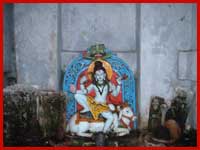
A Pan-Indian Festival of Moonlight, Miracles, and Manifestation
While the spiritual essence of Sharad Purnima remains the same across India, the ways in which it is celebrated vary beautifully from the deserts of Rajasthan to the lush plains of Bengal. This is the only night of the year when the moon is believed to shower Amrit (nectar) upon the earth, making every ritual performed under its glow highly potent.
Here is an in-depth look at the diverse and vibrant celebrations of this “Night of Fulfillment.”
1. Eastern India: The Kojagari Lakshmi Puja
In West Bengal, Odisha, and Assam, the night is dedicated to the Goddess of Wealth.
-
The Vigil: The term “Kojagari” comes from the phrase “Ko Jagarti” (Who is awake?). Devotees stay up all night playing games, singing, or meditating, believing that Goddess Lakshmi visits only those homes where light and life are present.
-
Alpana & Footprints: Houses are cleaned and decorated with Alpana (sacred rice-paste art). Tiny white footprints of Lakshmi are painted from the entrance to the prayer room, symbolizing her arrival.
-
The Feast of Chiwda: In Odisha, the day is celebrated as Kumar Purnima. Unmarried girls fast and offer “Janhi Chandana” (a mix of flattened rice, banana, and curd) to the moon to seek a life partner as virtuous as Lord Kartikeya.
2. Northern India: The Celestial Raas Leela
In the Braj region (Mathura and Vrindavan), the celebration takes on a romantic and soul-stirring tone.
-
White & Gold Temples: Temples like Bankey Bihari and Radha Vallabh are decorated entirely in white. The deities are dressed in shimmering silver or white clothes to reflect the moonlight.
-
Re-enacting the Dance: Thousands of pilgrims gather to witness the Raas Leela, a dramatic performance of Lord Krishna’s divine dance with the Gopis.
-
Moon-Drenched Kheer: Almost every household in the North prepares Rice Kheer and leaves it on rooftops under a thin muslin cloth to absorb the moon’s medicinal “cold rays.”
3. Western India: Garba and Moonlight Gatherings
In Gujarat and parts of Maharashtra, Sharad Purnima marks a shift in the cultural landscape.
-
The Paurva Night: In Maharashtra, the festival is often called Kojagiri Purnima. People gather in open spaces or balconies to prepare Masala Milk (thickened milk with saffron and nuts). The milk is kept such that the full moon is reflected in the vessel before it is consumed.
-
Late Night Garba: In Gujarat, the Navratri spirit extends into this night. People perform Garba and Dandiya under the open sky, celebrating the clarity of the autumn air and the brightness of the moon.
Interactive Comparison of Traditions
| Region | Primary Name | Unique Offering | Core Symbolism |
| West Bengal | Kojagari Puja | Narkel Naru (Coconut sweets) | Welcoming Wealth (Lakshmi). |
| Vrindavan | Raas Purnima | White Sweets & Kheer | Divine Love & Devotion. |
| Maharashtra | Kojagiri | Saffron Masala Milk | Physical Health & Vitality. |
| Odisha | Kumar Purnima | Khaee & Chuda (Puffed rice) | Youth & Marital Bliss. |
Top 3 Experiences for Travelers
-
The Marwar Festival (Jodhpur): Held during Sharad Purnima, this festival features folk music and camel tattoos against the backdrop of the illuminated Mehrangarh Fort.
-
Varanasi Ghats: Witness the moon rise over the Ganges. The reflection of the full moon on the river, combined with the evening Aarti, is a photographer’s paradise.
-
The White Desert (Rann of Kutch): There is no sight more surreal than the vast white salt desert glowing blue under the intense light of the Sharad Purnima moon.
The “Kojagari” Checklist: How to Celebrate at Home
-
The Setup: Place a vessel of Kheer or Milk in a spot where it receives direct moonlight for at least 3 to 4 hours.
-
The Meditation: Sit in the moonlight for 15 minutes. It is scientifically believed that the specific wavelength of the moon on this night helps regulate the circadian rhythm.
-
The Light: Keep a lamp (Diya) lit at your entrance throughout the night to symbolize an “awakened” consciousness.
Final Verdict:
Sharad Purnima is a celebration of Purity (White), Prosperity (Gold), and Peace (Moonlight). It is a night to step out of the shadows of the monsoon and embrace the clear, luminous possibilities of the coming season.