
World Water Day
Water is considered as a symbol of purification. International World Water Day is held every year World Water Day is […]
Water is considered as a symbol of purification. International World Water Day is held every year
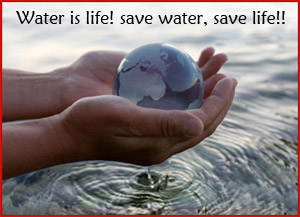
World Water Day is observed every year on 22 March. It was started by the United Nations in 1992 and first marked in 1993. The idea was simple but urgent: to make the world stop and think about water—how essential it is, how unevenly it is shared, and how badly it is being misused in many places.
At first glance, water feels like an everyday thing. We open a tap, fill a bottle, take a shower. But for millions of people, clean water is still a daily struggle. World Water Day exists to remind us that water is not unlimited, and it is not guaranteed for everyone.
How World Water Day Started
In the early 1990s, global leaders began realizing that water problems were becoming more serious—polluted rivers, drying lakes, unsafe drinking water, and poor sanitation. During the United Nations Conference on Environment and Development, the UN proposed a special international day focused only on water.
The first World Water Day was observed on 22 March 1993, and since then it has grown into a global movement involving governments, schools, NGOs, students, scientists, and communities around the world.
Why We Should Celebrate World Water Day
India’s Water Reality: Why World Water Day Matters More Here
India is home to nearly one-fifth of the world’s population, but it has access to only a small share of the world’s freshwater. This imbalance makes water one of the country’s most urgent challenges—not just for governments, but for ordinary citizens and especially young people.
Growing Water Scarcity
Many Indian cities regularly face water shortages. Rapid urban growth, rising population, and overuse of groundwater have pushed several regions close to crisis. Cities like Chennai, Bengaluru, and parts of Delhi have already experienced severe water stress, where demand often exceeds supply.
In rural areas, declining groundwater levels force people to dig deeper borewells or travel longer distances for water, affecting daily life and livelihoods.
Groundwater Overuse
More than half of India’s drinking water and a large portion of its irrigation needs come from groundwater. Unfortunately, it is being extracted faster than nature can recharge it. In states like Punjab, Haryana, Rajasthan, and parts of Maharashtra, groundwater levels are falling rapidly due to intensive farming and inefficient water use.
Once groundwater is depleted, it takes years—sometimes decades—to recover.
Unequal Access to Clean Water
Access to water in India is not the same for everyone. In many villages and urban slums:
-
Women and children spend hours each day collecting water.
-
Water quality is often unsafe due to contamination.
-
Seasonal shortages disrupt education and health.
Water access is not just an environmental issue; it is also a social and economic one.
Pollution of Rivers and Lakes
India’s rivers are deeply connected to culture and daily life, yet many are polluted by untreated sewage, industrial waste, and plastic. Rivers like the Ganga and Yamuna face heavy pollution in several stretches, while local lakes and ponds in cities are shrinking or disappearing altogether.
Polluted water harms ecosystems, reduces usable water, and increases health risks.
Climate Change and Unpredictable Water
Climate change has made India’s water cycle more uncertain:
-
Irregular monsoons cause floods in some regions and droughts in others.
-
Melting Himalayan glaciers affect long-term river flow.
-
Extreme weather events strain existing water infrastructure.
World Water Day is not just about awareness. It is about responsibility. It reminds us that protecting water today is directly linked to our future—jobs, cities, food security, and even peace.
How Youth Can Help Today
Start with Daily Habits
Small actions, when repeated daily, matter:
-
Use water thoughtfully while bathing, washing, and cleaning.
-
Report leaking taps in homes, schools, or hostels.
-
Avoid wasting drinking water during events and gatherings.
Learn and Talk About Water
-
Understand where your local water comes from.
-
Talk about water issues in classrooms, college groups, or youth clubs.
-
Share reliable information online instead of forwarding myths or half-facts.
Take Part Locally
-
Join or organize a local clean-up near a river, lake, pond, or beach.
-
Participate in plantation drives that support groundwater recharge.
-
Support rainwater harvesting initiatives in schools or communities.
Use Creativity
-
Write articles, poems, or short videos on water conservation.
-
Design posters or campaigns for World Water Day.
-
Use storytelling to explain water issues in a way people relate to.
Speak Up
-
Ask local authorities about water quality and conservation efforts.
-
Support policies and movements that protect rivers, wetlands, and groundwater.
-
Encourage your institution to adopt water-saving practices.
World Water Day Themes: What They Are and Why They Matter
Every year, World Water Day follows a specific theme chosen by UN-Water, the United Nations body responsible for coordinating global water issues.
The purpose of themes is to:
-
Focus global attention on one urgent water-related issue.
-
Help governments, educators, and youth groups plan activities.
-
Connect water challenges with climate change, equality, peace, and development.
How Themes Are Selected
Themes are chosen based on:
-
Current global water crises
-
Scientific research and climate data
-
International development goals, especially Sustainable Development Goal 6 (Clean Water and Sanitation for All)
Examples of Recent Themes
-
Water for Peace: Highlighting how shared water resources can reduce conflict and promote cooperation.
-
Groundwater: Making the Invisible Visible: Focusing on water we depend on but rarely see.
-
Glacier Preservation: Emphasizing the role of glaciers as freshwater sources and climate indicators.
Each theme encourages action beyond discussion.
Why World Water Day Still Matters Today
Despite progress, the world is still far from solving water challenges:
-
Billions lack safely managed drinking water.
-
Water pollution continues to damage ecosystems.
-
Climate change is making water availability unpredictable.
World Water Day reminds us that water security is not optional. It is essential for survival, dignity, and development.
A Simple Message for todays generation
You do not need to be an expert to make a difference. Awareness leads to responsibility, and responsibility leads to action. Whether it is saving water at home, educating others, or speaking up for rivers and communities, every effort counts.
World Water Day is not about one day in March. It is about how we treat water every day of the year.
इस आर्टिकल को हिंदी में पढ़ने के लिए यहां क्लिक करें