
Republic Day Parade
Republic Day Parade on 26th January, Republic Day Parade in New Delhi, Republic Day Parade, Indian Republic Day Parade The […]
Republic Day Parade on 26th January, Republic Day Parade in New Delhi, Republic Day Parade, Indian Republic Day Parade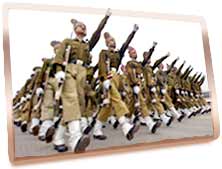
The Republic Day Parade is the heart of India’s 26 January celebrations—a grand, meticulously choreographed spectacle that reflects the nation’s military strength, cultural diversity, technological progress, and democratic spirit. Held along the majestic stretch of Kartavya Path (formerly Rajpath) in New Delhi, the parade moves from Rashtrapati Bhavan to India Gate, witnessed by the President of India, the Chief Guest, and millions of viewers across the country.
More than a display of pageantry, the parade is a living narrative of India’s journey—where tradition meets modernity, and courage walks alongside culture.
Pre-Parade Rituals: Honouring the Fallen
The day begins with deep solemnity. The Prime Minister pays homage at the National War Memorial, laying a wreath in honour of soldiers who sacrificed their lives for the nation. This moment sets the emotional tone of the day—reminding every citizen that freedom and democracy come at a cost.
Soon after, the President arrives at Kartavya Path, accompanied by the Chief Guest. The President, as Supreme Commander of the Armed Forces, is formally saluted.
-
National Flag is unfurled
-
National Anthem is played
-
21-gun salute echoes across the boulevard
This ceremonial opening blends dignity, discipline, and national pride.
The Parade Begins: Military Precision and Pride
The parade opens with the march past of the Armed Forces—Army, Navy, and Air Force—followed by paramilitary forces, police units, NCC cadets, and special contingents. Each unit marches in perfect synchronisation, showcasing discipline, training, and unity.
Women Leading from the Front
In recent years, women have taken centre stage:
-
All-women contingents from the Army, Navy, Air Force, CRPF, BSF and other forces
-
Women officers leading marching columns
-
Female pilots in fly-past formations
-
Women motorcycle riders performing daredevil stunts
This powerful visibility reflects the changing face of India’s defence forces—confident, capable, and inclusive.
Mechanised Columns & Military Might
Next comes the impressive display of tanks, missile systems, artillery guns, drones, surveillance equipment, and indigenous defence technology. These columns reflect India’s growing self-reliance in defence manufacturing and technological strength.
Modern parades increasingly highlight:
-
Indigenous weapons systems
-
Cyber and space defence units
-
Special Forces contingents
-
New-age combat vehicles
This section represents preparedness, innovation, and strategic capability.
The Cultural Procession: India in Motion
After military precision comes cultural brilliance. State and Union Territory tableaux roll in—each a moving canvas depicting:
-
Folk traditions
-
Festivals
-
Heritage sites
-
Tribal culture
-
Development initiatives
-
Women empowerment, environment, Digital India, and social themes
The tableaux are accompanied by traditional music, dance forms, and live performers, turning Kartavya Path into a flowing gallery of India’s diversity.
Children from selected schools across India perform synchronized cultural dances, creating a visual harmony that celebrates unity in diversity.
Bravery Award Children – Young Heroes of India
One of the most emotional moments is the entry of National Bravery Award winners—children who displayed exceptional courage. Traditionally seated on decorated elephants, today they often appear in specially designed vehicles.
Their presence reminds the nation that heroism has no age.
The Grand Fly-Past: Power in the Skies
The parade concludes with a breathtaking fly-past by the Indian Air Force:
-
Fighter jets
-
Transport aircraft
-
Helicopters
-
Surveillance planes
In a dramatic finale, aircraft paint the sky with saffron, white, and green smoke, forming the Indian tricolour above Kartavya Path. This moment is both emotional and electrifying.
Increasingly, women pilots and mixed-gender crews participate in these formations, reinforcing the message of equality and excellence.
Post-Parade Traditions
Republic Day celebrations continue beyond 26 January:
-
Beating Retreat Ceremony (29 January)
Held at Vijay Chowk, featuring military bands, patriotic music, and ceremonial drill. It officially marks the end of Republic Day festivities. -
Illumination of Government Buildings
Rashtrapati Bhavan, North and South Block, and surrounding areas are lit up, creating a magical skyline.
Who Participates in the Parade?
The Republic Day Parade brings together:
-
Indian Army, Navy, Air Force
-
Paramilitary forces (CRPF, BSF, ITBP, CISF, etc.)
-
Delhi Police & CAPFs
-
National Cadet Corps (NCC)
-
School children & youth troupes
-
Cultural artists & folk performers
-
Bravery award children
-
Defence scientists & technology teams
It is one of the largest coordinated ceremonial events in the world.
A Parade That Evolves with the Nation
Today’s Republic Day Parade is not just about tradition—it reflects:
-
Women empowerment
-
Youth participation
-
Indigenous innovation
-
Digital and green initiatives
-
New India’s confidence on the global stage
It mirrors the aspirations of a young nation that honours its roots while embracing the future.
Parade Highlights at a Glance
Venue: Kartavya Path, New Delhi
Presided by: President of India (Supreme Commander of the Armed Forces)
Chief Guest: Head of State/Government of a friendly nation
Key Segments
1. Ceremonial Opening
-
Prime Minister’s tribute at National War Memorial
-
President’s arrival, National Flag unfurling, National Anthem & 21-gun salute
2. Gallantry Awards
-
Presentation of Param Vir Chakra, Maha Vir Chakra, Vir Chakra, and Ashoka Chakra
3. Military March Past
-
Army, Navy, Air Force, Paramilitary forces, Police, NCC
-
All-women contingents and women officers leading columns
4. Mechanised Columns
-
Tanks, missiles, artillery, drones, indigenous defence systems
5. Cultural Tableaux
-
States & Union Territories showcasing heritage, development, social themes
6. School & Youth Performances
-
Synchronized dances, patriotic formations, national integration themes
7. Bravery Award Children
-
Young heroes honoured for exceptional courage
8. Air Force Fly-Past
-
Fighter jets, transport aircraft, helicopters
-
Tricolour smoke finale in the sky
Who Participates?
-
Armed Forces & Paramilitary units
-
Women officers & pilots
-
NCC cadets & school children
-
Cultural artists & folk performers
-
Defence scientists & technology teams
What It Represents
-
Military Strength – preparedness and discipline
-
Cultural Diversity – unity in diversity
-
Youth Power – future leadership
-
Women Empowerment – equality in action
-
New India Vision – innovation, inclusion, confidence
Every marching step, every flying formation, every dancing child tells the same story — India is strong. India is united. India is alive.